VJ Electronix is a globally trusted leader in X-ray inspection, PCB rework, and component counting — backed by decades of innovation and the worldwide resources of the VJ Technologies family of companies.
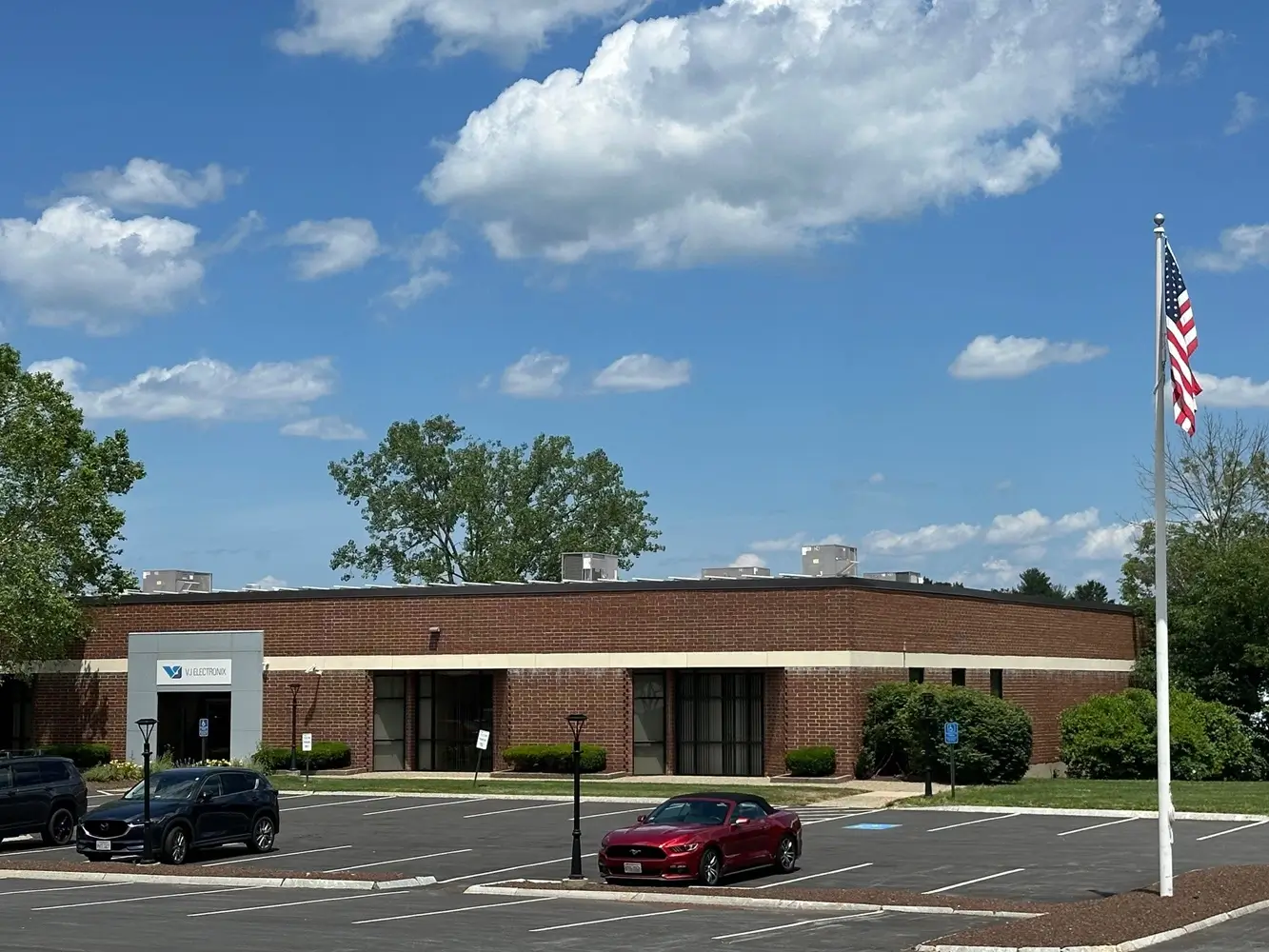
VJ Electronix was founded in 2003 as a new division of VJ Technologies, a leading global provider of X-ray inspection solutions, to focus on the Electronics Manufacturing industry. Since 2003, VJ Electronix has grown into a global leader of X-ray-based Component Counting, X-ray Inspection and Circuit Board Rework systems for the Electronics Manufacturing industry winning industry awards in almost every year since its inception. VJ Electronix is committed to long term investments in development of new technologies in both X-ray and Rework markets to enable product offerings that are differentiated and offer high value to our customers. These investments combined with expertise from our sister divisions, VJ X-ray (VJX), a market leader in X-ray sources and VJ Technologies (VJT), a leader in industrial X-ray products, positions VJ Electronix in a way that few competitors can match.
A rework station is a workspace technicians can use to alter printed circuit boards. They empower technicians to remove defective parts, reinstall incorrectly placed parts, replace any missing parts and remove parts that are no longer working. Rework stations have features that accommodate different size circuit boards and capabilities that determine the types and volume of jobs that can be done. Some are focused on reworking simple components such as BGAs while others are capable of reworking more advanced components such as RF Shields, QFNs, QFPs, connectors, and more!
Rework systems offer many benefits such as:
Our rework systems have a wide range of applications including, but are not limited to: BGAs, QFNs, QFPs, connectors, RF Shields, micro passives (down to 01005), sockets, and more!
Our rework platforms have many tools to facilitate such an interface. The software includes an automatic Event Log to track all material flow and process through the system. An additional file (datalog) to track process parameters including temperatures, air flow, etc. The datalog is linked to the event. Both logs are flat files that are easily transferred to your MES.
Yes, training is included as part of the installation. Training includes operator and process training. The operator will learn how to perform basic tasks such as start-up and shutdown of the machine, run a profile and perform the different sequences (pick and place, reflow, replace, etc). The process side of it will train the engineers on how to create a new board, part, and heating profile along with scavenging profiles if applicable.
X-ray cabinet systems are closed x-ray systems used for SMT inspection, security screening and industrial quality control. The enclosure serves as a physical barrier that excludes people from the space where x-rays are produced. As an item passes through the cabinet, the x-ray image is transmitted to a monitor.
There are many benefits of using x-ray for component counting opposed to other methods such as manually counting reels such as:
No, your x-ray product will not be harmed when it passes through an x-ray cabinet system. The amount radiation emitted from our x-ray systems is not nearly enough to damage electronics.
Yes, most of our component counters are compatible with robotic integration. We work with customers to provide specific automation solutions to integrate our component counting X-Ray machines into their production process, maximizing efficiency
Yes. Manufacturers are required to certify that their products meet the Federal radiation safety performance standard for cabinet x-ray systems. Specifically, the standard requires that the radiation emitted from a cabinet x-ray system not exceed an exposure of 0.5 milliroentgens in one hour at any point five centimeters from the external surface. All VJ Electronix cabinet x-ray systems emit less than this limit. For more information, see Title 21 Code of Federal Regulations (CFR) 1010.
Component Counting: Yes, training is included as part of the installation. Training includes operator and more advanced features like label printing, barcode scanning and library functions. The operator will learn how to perform basic tasks such as start-up and shutdown of the machine and counting reels. They will also learn how to set up and configure label printing, enable barcode scanning, and integrate that into the printed labels and use the library to get more accurate counts on difficult to count parts.
X-ray inspection: Yes, training is included as part of the installation. Training includes operator and process training. The operator will learn how to perform basic tasks such as start-up and shutdown of the machine and running inspection profiles. The process side includes training on how to create a new inspection profile and the different options such as step and repeat, void analysis, board/part creation, and more.
Refers to the replication of human intelligence in machines that are programmed to think like humans and copy their actions.
Inventory auditing procedure.
A manufacturing execution system (MES) is an information system that connects, monitors and controls multifaceted manufacturing systems and data flows.
A system the encompasses all facets of managing a company's inventories.
An apparent change in the position of an object resulting from a change in position of the observer.
The term for the refinishing operation or repair of an electronic printed circuit board (PCB) assembly.
A combination of several resistors that are organized into a pattern.
Return on Investment (ROI) is a performance measure used to evaluate the efficiency or profitability of an investment
A system that contains an x-ray tube installed within a shielded enclosure.
A machine designed to increase productivity